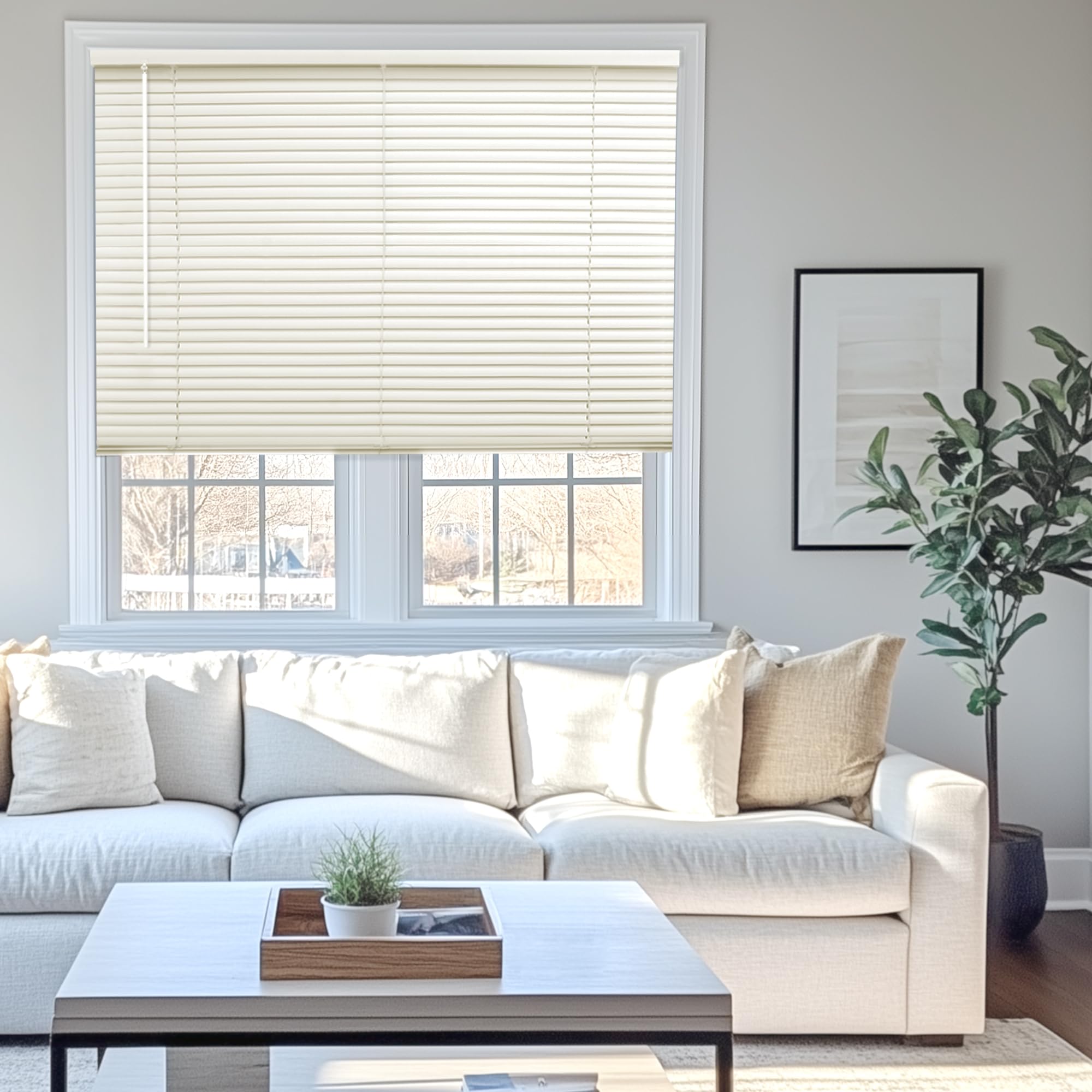
In our quest for Australian home comfort It's easy to become distracted by the most expensive purchases: reverse cycle air conditioners, ceiling insulation or appliances that are high-performance. But there's a player that's frequently overlooked in the pursuit of efficiency in energy use: your window blinds. Windows are the primary source of heat gain in our hot summers and heat loss in cold winters. The right window furnishings are not just for style or for privacy. They also have an impact on the thermal performance of your home, which can be assessed by the amount you pay as well as your carbon footprint. The secret lies in the hidden engineered fabric that is designed to hold the heat, then reflec-te it and insulate.
Understanding the issue and the physics that are involved in the window is crucial in understanding the potential. Glass is not a good insulator. In summer, it functions as a magnifying instrument, permitting solar radiation to enter your home. It is then absorbed by the floors and furniture and reflected outwards, creating the greenhouse effect. In winter, it's the reverse direction; the precious warmth of your heater is lost directly through the glass. Standard single-layer blinds - a simple vinyl or fabric piece - only provide modest protection. They could be able block glares, but they are in no position to prevent heat from convecting. Magic happens with designs that incorporate reflective technology and trapped air.
Two blinds designs are the unspoken heroes of home efficiency. These are thermal-backed roller blinds as well as honeycomb blinds or cellular blinds.
The Reflective Barrier The Reflective Barrier: Thermal-Backed Roller Blinds
Imagine them as an foil bags that are insulated for your windows. With the addition of an extra thin, metallic layer to the fabric, a blockout roller blind can be turned into a device that is thermally efficient. This layer is the key. The reflective coating should be facing towards the outside when the blind is shut in summer. This reflective coating acts as a mirror, reflecting large amounts of heat from the window. It's an effective, proactive measure. In winter, it functions in the reverse direction. When the blind is closed, the reflective layer now faces towards your living space, capturing the radiant heat of your interior and bounces it back into the room instead of letting it leach out through the glass. It's a simple but elegant technology that turns a blind into a powerful air conditioning system. Find blinds that state their "Total Solar Energy Rejected" (TSER) percentage--a quality thermal-backed blind can reject over 70 percent of solar heat.
Honeycomb (Cellular) Blinds: The Insulating Trap.
Where thermal blinds reflect honeycomb blinds, they insulate with stunning architectural design. Their hexagonal, beehive-like cells aren't just a beautiful design feature, but they also act as mini-insulators. The vertical columns contain pockets of air and keep them in their place as the blind is pulled down. The static air in the atmosphere is one of nature’s best insulators. This is the reason behind double-glazed windows as well as cavity wall Insulation. These air pockets trap an extremely strong buffer zone between glass windows and your home. They significantly slow down the transfer of heat in both directions. In the summer heat wave the glass gets heated to a blistering temperature that takes longer for air to warm. The heat inside your home is slowed with the cold windows on a frigid, cold morning. Double-cell designs are even more efficient, as they have two layers of cells that create a thicker and more effective air barrier. Honeycomb blinds are an all-season performance. They are suitable for use in the winter and summer seasons.
To maximize your energy savings potential, it is not enough to buy the right product. It requires strategic usage. The sealing of the product is crucial. When there is a gap, efficiency drops. This is why professional measurement and installation is a must. A blind installed perfectly in a window recess, or an inside mount provides a better seal than one that hangs from the frame. For installations that are face-fit side channels are added to guide the blind and eliminate light and air gaps. The operation is equally important. The blinds need to be fully closed during the peak of heating so that they can keep out the summer sun. For winter warmth, closing them as soon after sunset acts like drawing an insulating curtain across the doorway that is chilly.
When consulting with suppliers, shift the conversation from just colour and cost-per-square-metre. Make sure you ask technical questions to determine the true quality of the product "What is this honeycomb design's R-value, or insulating rating? "Is this roller blind reflective thermal backing and what is its TSER percentage?"
The logic behind the financials is convincing. While the price of honeycomb or thermal models is higher upfront than basic models for most blinds however, it should be considered as a long-term investment and not a waste. Reduced workload and therefore lower operating costs could be substantial. The energy savings cumulative over the lifetime of the blinds can pay for themselves. You are not just buying blinds for your windows; you're buying a lower monthly power bill.
It's important to choose efficient shades to create a durable and environmentally sustainable Australian house. It's all about utilizing smart design that can adapt to the changing climate, instead of fighting it with force-driven AC. This provides a more steady temperature as well as a more pleasant living space. This hidden layer of insulation is a reliable method to increase efficiency of your home in a world of rising cost of energy and growing environmental awareness. This simple change pays for itself in comfort and savings every season. Check out the top blinds for more tips including blinds on the door, perfect fit blinds direct, no blinds, the blinds store, local blind suppliers, order blind slats, made by blinds, blinds to fit, direct fit blinds, 100 blinds and more.

The Fine Print Promise - Understanding Blind Warranties Before Buying
A warranty is typically forgotten in the final stages of choosing blinds for the home. Samples of fabric are evaluated, and quotes compared. The warranty is usually advertised as an assurance or a badge for quality. It's not just an unspecific guarantee, it's an legally binding contract that specifies the precise limits of a manufacturer's liability. For blinds, a product combining textiles, mechanics and electronics that are exposed daily to fierce Australian sun, salt, and use--understanding this fine print can be what differentiates between a safe investment and a costly learning. The worth of a warranty lies not in its length, but in its precise, clear coverage.
The most prevalent mistake is to focus solely on the duration of the warranty. "A five-year warranty sounds great" but without looking into the scope of coverage. A good warranty will break down coverage into distinct groups. This is due to the fact that different components have different failure modes. The material or fabric warranty should protect against manufacturing defects such as delamination or weaving that isn't properly done, and, crucially against premature fading. This is vital for Australia. Beware of vague warranties. The warranty is invalid in the event that the fabric was used for an exterior application, or in areas which remain humid and not ventilated.
The warranty for mechanical components is distinct and only covers the working parts. This includes the mechanism that rolls blinds made of rollers; the tilt and lift system in Venetians as well as the cords and ladders. This warranty should cover breaks caused by fatigue of the materials or manufacturing flaws under normal operation. In addition, If the cleaning or maintenance guidelines are followed, this warranty should remain valid. Next, the electronic and motors warranty is available for automated systems. This warranty is typically the least long (often 2-3 years - even if your fabric is just 5 years old) and is an indication of higher-tech technology. This should cover motors, receivers, and wiring.
The most significant, but the least understood section of the warranty document is the list of conditions and exclusions. These are the obligations you must meet. Exclusions which instantly invalidate warranties include:
Installation by anyone else that is not the authorized installer. This is a major one. DIY installations even if flawless, often invalidates the entire warranty because the manufacturer is not able to ensure the working environment or stress on components.
Unsafe use of maintenance or. It is the act of using abrasive products to clean the jammed roller blind, or ignoring a simple knot in the cords.
The term "fair wear and tear" or "gradual reduction in performance" is a subjective term which can be used by manufacturers to discredit assertions that mechanisms are worn-out due to frequent use.
The damage and fade that can be due to extreme conditions in the environment. If you put up a blind that is not coastal-rated directly towards the ocean, the rapid corrosion of your blind will not be covered.
The warranty itself isn't a separate document. The warranty is intrinsically linked to both the quality of initial installation as well as the support after sales that the vendor provides. A warranty provided by a reliable and dependable local provider will be superior at the end of the day than the same warranty offered by a retailer online. Local suppliers have an actual physical facility and employs their own installers to set up the product (whose tasks they are able to cover), and maintains a direct connection with the manufacturer to speed up claims. It is in their best interest to respect warranty agreements in order to safeguard the image of the local community. Filing a claim with an organization that is located far away could be a maze of phone centers, uploaded images and long wait times for a technician who may never arrive.
If you're negotiating with suppliers, it is crucial to ask more specific questions than "Does the product you are considering purchasing come with any guarantee?" Ask: "Can the supplier provide me with the warranty documentation for the product I have chosen before I sign the contract?" "Does your fade warranty cover the color I've selected and what are the minimum requirements for a legitimate complaint?" "What is the process if the motor fails within the next year?" Inquire: "Do you replace the unit at your location or do I need to send it to a service centre across the country?"
Australian Consumer Law guarantee is included in the purchase. This is regardless of the warranty offered by the manufacturer. The ACL stipulates that all products be adequate in terms of quality, fit to the purpose and meet their description. The ACL will protect you beyond the expiration of the warranty if your product is defective in a way that's unreasonable for the price. The invocation of the ACL may require more effort than filing the warranty claim with the supplier who cooperates.
In the end, a warranty that is strong reflects the confidence and faith of a company's employees in the product. It is your formal defense against defects. It's a form of insurance however it isn't able to cover every scenario. To fully benefit from its capabilities, you need to pair it with a trusted supplier who can ensure the proper installation and acts as your advocate. It's not enough to just have a document of warranty. It is also essential to have a clear, realistic route to resolution in the event that something unforeseeable occurs. This is essential in Australia, where products have to be able to withstand the harshest sunlight conditions in the world. It converts a promise from a marketing campaign into a concrete and actionable promise for security.